Educational-Journal
www.christophschiebold.blog
Freedom & Limits
Montessori education is based on the principles of freedom and limits, creating a learning environment that fosters independence, self-discipline, and a love for learning.
In this educational approach, freedom and limits work hand in hand to provide the optimal conditions for a child’s development.
Freedom in Montessori education refers to the freedom of choice and movement given to the child. It recognizes that each child is unique and has their own interests and abilities. Montessori classrooms are designed to allow children to freely choose activities based on their individual preferences and developmental needs. This freedom of choice empowers children to take ownership of their learning and explore subjects that captivate their interest.
However, freedom in Montessori education is not absolute.
It is balanced with the concept of limits. Limits are the boundaries and guidelines set by the Montessori teacher to ensure that the child’s freedom does not interfere upon the rights and well-being of others. These limits provide structure and order in the classroom, creating a secure and respectful environment.
The limits in Montessori education are not imposed forcefully but are carefully explained to the child. They are based on principles of respect, cooperation, and consideration for others. By understanding and respecting these limits, children learn self-discipline and develop a sense of responsibility.
In an educational context, the Montessori approach to freedom and limits is implemented through various aspects.
The classroom environment is carefully prepared with materials and activities that cater to the developmental needs of the child.
The child is given the freedom to choose from these materials and engage in activities at their own pace.
The teacher acts as a guide, observing and supporting the child’s learning journey.
By allowing freedom within limits, Montessori education promotes self-motivation, concentration, and a joy for learning. It encourages children to explore their interests, make choices, and take responsibility for their actions. It also cultivates social skills, empathy, and respect for others.


HAPPY NEW YEAR 2024

Dear all…
EJ WISHES YOU ALL. HAPPY NEW YEAR
EDUCATE, OUR CHILDREN, OUR FUTURE DESERVES IT.




GLIMPS #923 Generation Alpha
FYI.. these are general observations
Generation Alpha, which refers to individuals born from 2013 onwards. As this generation is still young, their characteristics are still emerging, but here are some positive and negative aspects that can be observed:
The concept of focusing on different generations in various aspects of life, such as marketing, communication, and research, was not created by a specific individual or entity. Instead, it emerged as a response to the ever-evolving nature of society and the recognition that each generation has unique characteristics, values, and preferences. Businesses, organizations, and researchers began to realize that understanding and catering to the needs of different generations is crucial for success and effective communication. By recognizing the differences and similarities among generations, companies can tailor their products, services, and messaging to better resonate with specific age groups. This approach allows them to adapt and stay relevant in an ever-changing world.
Positive aspects of Generation Alpha:
1. Technologically adept:
2. Creative and innovative:

3. Global mindset:
4. Collaborative and socially conscious: .
Negative aspects of Generation Alpha:
1. Overexposure to technology:
2. Information overload:
3. Mental health challenges:
4. Shortened attention span:
Read MoreORDER
ORDER
The concept of order is crucial for creating a harmonious and productive learning environment.
EXTERNAL ORDER LEADS TO INTERNAL ORDER
In education, Order is understood in two aspects: internal order (within the individual) and external order (within the environment).
Translating this concept and incorporating it into the daily routine of an IB/MYP classroom is done as follows:
- External Order:
External order refers to the physical organization and structure of the learning environment. In the MYP, this can be incorporated into the daily routine by establishing clear expectations for classroom organization, digital file management, and physical resources.
Teachers can work with students to create systems for organizing materials, maintaining a neat virtual or physical classroom, and ensuring easy access to resources. By establishing routines for tasks such as submitting assignments, retrieving materials, and collaborating, students can develop a sense of external order, allowing them to focus on their learning
- Internal Order:
Internal order refers to the individual’s ability to organize their thoughts, manage their time, and prioritize tasks. In the MYP, this can be incorporated into the daily routine by encouraging students to practice effective time management skills, set goals, and develop strategies to stay organized.
Teachers can provide guidance on creating study schedules, using digital tools for task management, and promoting self-discipline. Regular reflection and self-assessment can also help students develop a sense of internal order, allowing them to become more self-directed learners.
Incorporating order within a daily routine of an IB/MYP classroom can be achieved by:
1. Setting Clear Expectations:
Communicate expectations for organization, time management, and behavior to students.
Explain the importance of order and how it
contributes to a positive learning environment.
2. Teaching Organization Skills:
Provide explicit instruction on organization.
3. Regular Reflection:
Allocate time for students to reflect on their organizational habits and identify areas for improvement.
Encourage them to set goals and develop action plans for their personal development.
4. Establishing Routines:
Develop consistent routines for tasks. This helps students develop habits and reduces confusion.
5. Providing Support:
Offer guidance and support. Provide resources and one-on-one support as needed.
By incorporating internal and external order within the daily routine of the classroom, students can develop skills that contribute to their overall success as learners.
Accountability
Within a secondary Montessori classroom, accountability plays a crucial role when it comes to 3plane children.
It is essential to empower them to take ownership of their learning journey and be accountable for their actions and choices.
Here are a few ways to foster accountability in the classroom:
1. Clear expectations:
Set clear expectations and communicate them effectively to the students.
This includes academic goals, behavior standards, and responsibilities. When students know what is expected of them, they are more likely to take accountability for their actions.
2. Goal-setting:
Encourage students to set their own goals, both short-term and long-term.
Help them break down these goals into smaller, achievable tasks. By setting their own goals, students become more invested in their learning and understand the importance of being accountable for their progress.
3. Reflection and self-assessment:
Teach teenagers to reflect on their learning experiences and assess their own progress.
Provide opportunities for them to evaluate their strengths, weaknesses, and areas for improvement. This self-reflection helps students take ownership of their learning and make necessary adjustments to meet their goals.
4. Collaboration and peer feedback:
Promote a collaborative learning environment where students can support and provide feedback to one another.
Encourage teenagers to engage in constructive discussions, offer suggestions, and hold each other accountable for their contributions. This fosters a sense of responsibility towards their peers and their own learning.
5. Consequences:
Establish a fair system of consequences that align with the expectations set in the classroom.
Ensure that consequences are logical and teach students the importance of taking responsibility for their actions. Likewise, celebrate their achievements and efforts through meaningful recognition.
It is important that accountability is approached with empathy and understanding.
It is important to provide guidance and support to the students so that they can navigate their educational journey.
By fostering a culture of accountability, you can help them develop essential life skills that will benefit them beyond the classroom.

Being Street smart
What it means!

“Street smart” is a term used to describe a person who possesses practical knowledge, awareness, and skills necessary to navigate and thrive in everyday life situations, especially in urban or challenging environments.
It refers to a type of intelligence that goes beyond what is taught in formal education.
Being street smart often involves having a keen understanding of social dynamics, recognizing potential risks, and being able to adapt and make wise decisions in real-world scenarios.
Street smart individuals are often quick thinkers, observant, and possess a good sense of judgment.
These skills are acquired through personal experiences, interactions with others, and exposure to various environments.
Street smarts can have a range of abilities.
- understanding social cues,
- assessing people’s intentions
- avoiding scams or dangerous situations
- effectively move in unfamiliar places.
They often possess of a good visual spatial intelligence to make connections easily in order to help them navigate through there life.
Unlike academic intelligence or book smarts, which are acquired through formal education, street smarts are more practical and focused on the realities of daily life.
While being academically intelligent is valuable, being street smart can be equally important, as it helps individuals navigate the challenges of the world beyond the classroom.
It’s worth noting that being street smart doesn’t mean disregarding formal education or dismissing the value of knowledge gained through books and schools.
Both
Street smarts and Book smarts can complement each other, providing individuals with a well-rounded set of skills and knowledge to succeed in various aspects of life.
Read MoreAs Montessori teacher and the transition to the third plane of development:
In Montessori education, the role of the teacher is to act as a guide and observer rather than a traditional instructor.
The teacher’s primary responsibility is to create and maintain a prepared environment that supports the child’s natural development and fosters independence, exploration, and self-discovery.
The teacher carefully observes each child to understand their individual needs, interests, and abilities, and then provides appropriate materials and guidance to facilitate their learning.
The teacher also models proper behavior and social interactions, promotes a sense of community and respect, and supports the holistic development of the child in all areas – physical, emotional, social, and cognitive.
This is brought to the 3rd plane of development in the following steps:
In the third plane of development, which includes the ages from (11)12 to (17)18, the role of the teacher in Montessori education evolves to accommodate the unique needs and characteristics of adolescent students.
Here are some ways in which the Montessori approach can be brought to the third plane of development:
Facilitator of independent learning:
The teacher continues to provide a prepared environment that allows for independent exploration and self-directed learning. They guide students in setting goals, managing their time, and taking responsibility for their own education.
Mentor and advisor:
The teacher acts as a mentor and advisor, offering guidance and support as students navigate their academic and personal journeys. They help students develop critical thinking skills, engage in research, and pursue their interests and passions.
Collaborative projects and community involvement:
The teacher encourages students to engage in collaborative projects, both within the classroom and in the wider community. This fosters teamwork, problem-solving skills, and a sense of social responsibility.
Real-world connections and application:
The teacher helps students bridge the gap between academic concepts and real-world applications. They facilitate discussions and activities that encourage students to explore the relevance of their learning to their lives and the world around them.
Emotional and social development:
Recognizing the social and emotional changes that occur during adolescence, the teacher provides a supportive and nurturing environment. They promote healthy relationships, conflict resolution skills, and emotional intelligence.
Individualized instruction and adaptive curriculum:
The teacher recognizes and respects the individual differences and strengths of each student. They adapt the curriculum to accommodate different learning styles and provide personalized instruction when needed.
In summary, the role of the teacher in the third plane of development is to act as a facilitator, mentor, and guide, supporting students in their journey towards independence, self-discovery, and responsible citizenship.

GLIMPS #823 From Childhood to Adolescence by Maria Montessori – summary

“From Childhood to Adolescence” is a book written by Maria Montessori that explores the developmental stages and educational needs of children from early childhood to adolescence. In this book, Montessori delves into her observations and experiences working with children, providing insights into their physical, psychological, and intellectual growth.
The book begins with Montessori’s belief in the importance of understanding the child’s nature and respecting their individuality. She emphasizes the role of the environment in facilitating a child’s development and advocates for creating prepared environments that encourage independence and exploration.
Montessori discusses the sensitive periods in a child’s development, highlighting the optimal times for learning specific skills and abilities. She provides practical examples of how to support these sensitive periods through the use of materials and activities that are aligned with the child’s interests and abilities.
Furthermore, Montessori addresses the significance of movement and the development of the senses in a child’s early years. She emphasizes the importance of providing ample opportunities for physical activity and sensorial experiences to promote the child’s overall development.
As the book progresses towards adolescence, Montessori explores the unique challenges and opportunities of this stage of life. She emphasizes the importance of guiding and supporting adolescents as they navigate their growing independence, social interactions, and intellectual development.
Throughout the book, Montessori advocates for an educational approach that fosters self-directed learning, encourages exploration, and respects the child’s natural development. She highlights the importance of allowing children to make choices and engage in purposeful work that aligns with their interests and abilities.
“From Childhood to Adolescence” provides a comprehensive and insightful perspective on the developmental stages and educational needs of children. It offers practical guidance for parents, educators, and anyone interested in understanding and supporting the growth and development of children from early childhood to adolescence.
Organic learning …
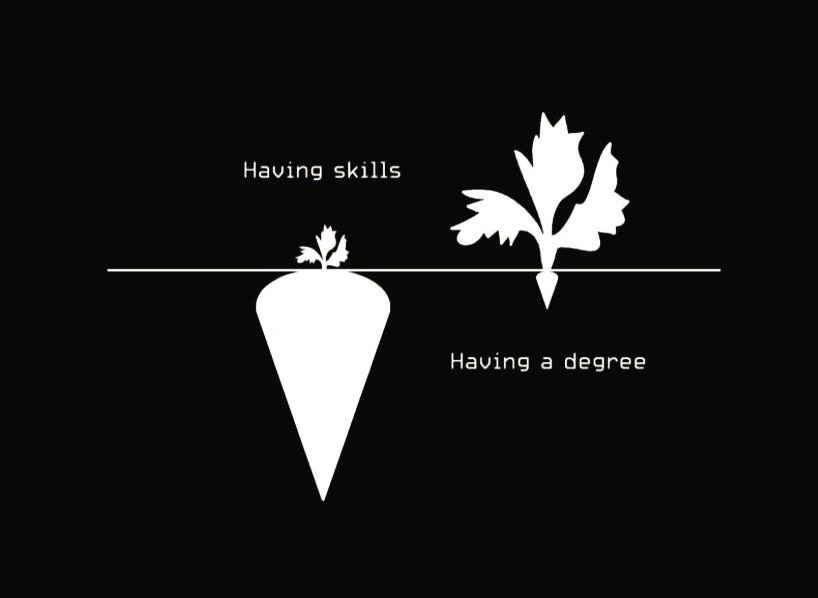
Organic learning is a concept that emphasizes a natural, holistic approach to learning.
The learning process is guided by the learner’s interests, experiences, and curiosity.
It encourages learners to explore and discover PM knowledge in a self-directed manner, rather than following a rigid curriculum or set of rules.
In an organic learning environment, the focus is on creating meaningful and relevant learning experiences.
This can involve hands-on activities, real-world applications, and collaborative projects.
The goal is to foster a deeper understanding and long-term retention of knowledge, as learners are actively engaged and motivated by their own interests.
One key aspect of organic learning is the recognition that learning happens everywhere, not just within the confines of a classroom.
It encourages learners to embrace a lifelong learning mindset, seeking knowledge and skills beyond traditional educational settings.
This can include learning from personal experiences, interactions with others, and exploring various sources of information such as books, articles, videos, or online resources.
With the concept of organic learning, students can develop a deeper sense of ownership over their own learning.

EDUCATIONAL JOURNAL

TREASURE TROVE


 Educational-Journal
Recent Comments